
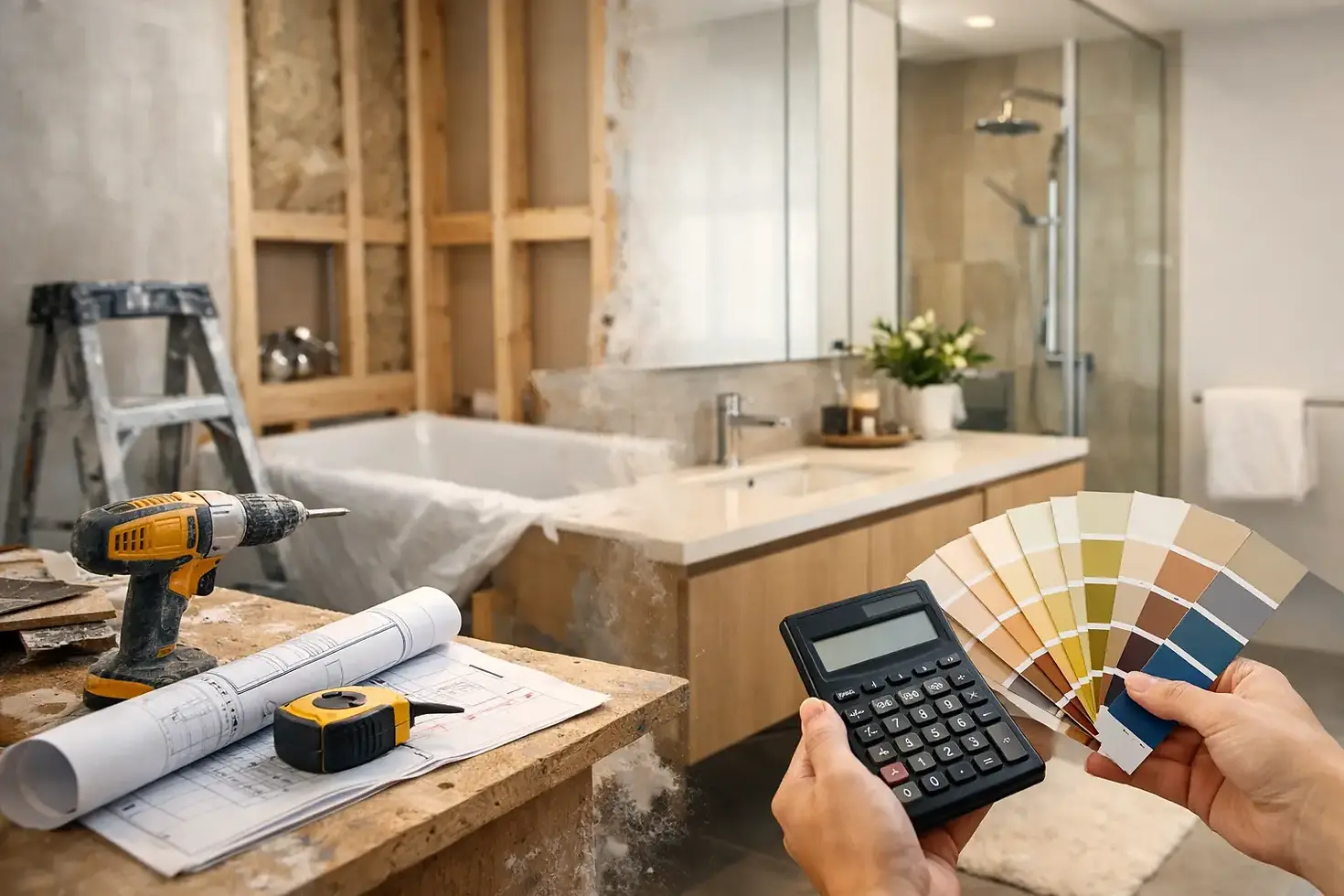
Bathroom Renovation Cost: What to Expect
- americakeefer
- 18 hours ago
- 6 min read
A bathroom can look straightforward on paper, then surprise you once walls are opened, fixtures are removed, and real conditions come into view. That is why bathroom renovation cost is never just about tile and vanity choices. It is shaped by the age of the home, the layout, the quality of materials, and how much of the room is being rebuilt versus refreshed.
For homeowners and property owners in Southern California, budgeting well starts with understanding what drives cost before construction begins. A well-planned bathroom remodel can improve daily comfort, function, and property value, but the smartest investment comes from matching the scope of work to the way the space is actually used.
What affects bathroom renovation cost
The biggest factor is scope. A cosmetic update that keeps the existing layout usually costs far less than a full renovation that moves plumbing, replaces electrical, and rebuilds surfaces from the studs out. If the shower, toilet, and vanity stay in the same locations, labor is generally more efficient and fewer trade changes are needed.
Size matters too, but not always in the way people expect. A small bathroom can still carry a substantial price because many core costs stay the same regardless of square footage. Demolition, waterproofing, plumbing connections, ventilation, and finish installation still require skilled labor. In some cases, tight spaces even take longer to work in.
Material selection has a major impact. Stock vanities, standard tile, and builder-grade fixtures can keep the budget controlled. Custom cabinetry, large-format tile, premium plumbing fixtures, frameless glass, and specialty lighting will raise the total quickly. None of those upgrades are wrong, but they should be chosen with a clear sense of priorities.
The age and condition of the property also influence the final number. Older homes may have outdated plumbing, subfloor damage, moisture issues, or electrical work that needs correction before new finishes go in. Those are not cosmetic problems. They are underlying conditions that need to be addressed if the finished bathroom is expected to perform well over time.
Typical bathroom renovation cost ranges
A realistic bathroom renovation cost can vary widely, but most projects fall into clear tiers based on complexity and finish level.
A basic refresh often includes a new vanity, updated flooring, fresh paint, a replacement toilet, simple fixture swaps, and selective tile work. This type of project is usually the most budget-conscious option because it avoids major layout changes and focuses on visible improvements.
A mid-range renovation usually goes further. It may include a new shower or tub surround, upgraded tile, better lighting, improved ventilation, a new vanity setup, and more substantial plumbing fixture replacements. This is often where homeowners get the best balance between appearance, performance, and long-term value.
A high-end renovation can include custom finishes, layout changes, expanded showers, luxury materials, heated floors, frameless glass, built-in storage, and premium plumbing and electrical features. In primary bathrooms, these projects may also involve a more open plan, dual vanities, and a stronger focus on daily comfort and resale appeal.
In Southern California, labor costs, permitting requirements, and material choices can place these ranges higher than national averages. That is why online renovation calculators often feel misleading. They can be useful for rough reference, but they rarely reflect local construction conditions or the actual demands of a specific property.
Where the money usually goes
Labor is one of the largest parts of any bathroom remodel. Demolition, framing adjustments, plumbing, electrical, drywall, waterproofing, tile setting, finish carpentry, painting, and fixture installation all add up. Bathrooms involve several trades working in a small area, and quality matters at every step.
Tile and waterproofing are especially important. A bathroom is a wet environment, and cutting corners behind the surface can lead to expensive damage later. Homeowners sometimes focus on the visible finish while underestimating the systems underneath it. Proper prep work is not the most glamorous part of the project, but it protects the investment.
Cabinetry, countertops, and glass can also represent a significant share of the budget. A prefabricated vanity may be cost-effective and practical, while custom storage solutions are more expensive but can solve real usability issues. The right choice depends on the room, the household, and how long the owner plans to stay in the property.
Fixtures vary more than most people expect. A faucet or shower trim set may look similar across brands, but durability, internal components, finish quality, and warranty support can differ substantially. In a room used every day, reliability is worth considering alongside appearance.
Cost trade-offs that matter
Not every upgrade carries the same value. Some changes improve how the bathroom works every day, while others are mostly aesthetic. That does not mean appearance is unimportant, but if the budget is limited, function usually deserves attention first.
For example, improving the shower layout, ventilation, storage, and lighting often delivers more practical value than spending heavily on decorative features alone. Good lighting at the vanity, better moisture control, and a shower that is easy to clean and comfortable to use can make the room feel significantly better without requiring luxury-level finishes.
Layout changes are another trade-off. Moving plumbing can create a better room, but it also adds labor, material, and coordination costs. Sometimes the best decision is to keep the existing footprint and improve what is already there. Other times, especially in a poorly designed or outdated bathroom, reworking the plan is worth the investment.
Homeowners should also think about consistency with the rest of the property. A beautifully renovated bathroom should fit the home’s overall quality and market position. Overbuilding can happen, especially in rental properties or homes where the surrounding spaces are more modest. A balanced approach tends to deliver better long-term value.
How to budget for bathroom renovation cost
Start by deciding what the bathroom needs to do better. More storage, a larger shower, easier maintenance, improved accessibility, or a cleaner updated look are all valid goals. A budget works better when it is tied to priorities instead of just a wish list.
It also helps to separate must-haves from nice-to-haves early. If moisture damage is present, if the shower leaks, or if ventilation is poor, those issues should lead the budget. If there is room left after the core work is covered, then upgraded finishes and additional features can be added with more confidence.
A contingency matters on almost every remodel, especially in older homes. Once demolition begins, hidden issues sometimes appear. Setting aside extra funds helps prevent difficult decisions mid-project. It also allows the work to move forward without sacrificing quality when conditions change.
Clear selections make a difference too. Delays and budget drift often happen when fixture, tile, and finish decisions are still unresolved during construction. Choosing materials early supports scheduling, improves pricing clarity, and reduces the chance of last-minute substitutions.
Why estimates can vary so much
Two contractors may price the same bathroom very differently, and that does not always mean one is overcharging. It can reflect differences in scope, installation standards, project management, or what is included versus assumed.
One estimate may account for demolition haul-off, substrate repair, waterproofing, permit coordination, and finish hardware installation. Another may leave some of those items vague or exclude them entirely. That is why it is important to compare details, not just totals.
Communication is part of cost control. A well-run project should give the owner a clear understanding of what is being built, what materials are included, what could affect the schedule, and how changes are handled. That level of clarity helps reduce surprises and creates a better renovation experience overall.
For clients planning a remodel in Ramona or the surrounding area, working with a contractor that understands both workmanship and project guidance can make a real difference. Companies like Keefer Development approach renovation as more than a finish upgrade. The goal is to create a bathroom that functions well, holds up over time, and fits the needs of the people using it every day.
Making the investment count
The best bathroom remodel is not always the most expensive one. It is the one that solves the right problems, uses durable materials where they matter, and is built with care from the first day of demolition to the final walkthrough.
When you look at bathroom renovation cost through that lens, the budget becomes less about chasing a number and more about making informed decisions. A bathroom is a hardworking space. If the plan is thoughtful and the construction is done right, the finished result should feel worth it every single day.


Comments